Difference Between E-commerce and Informative Website SEO
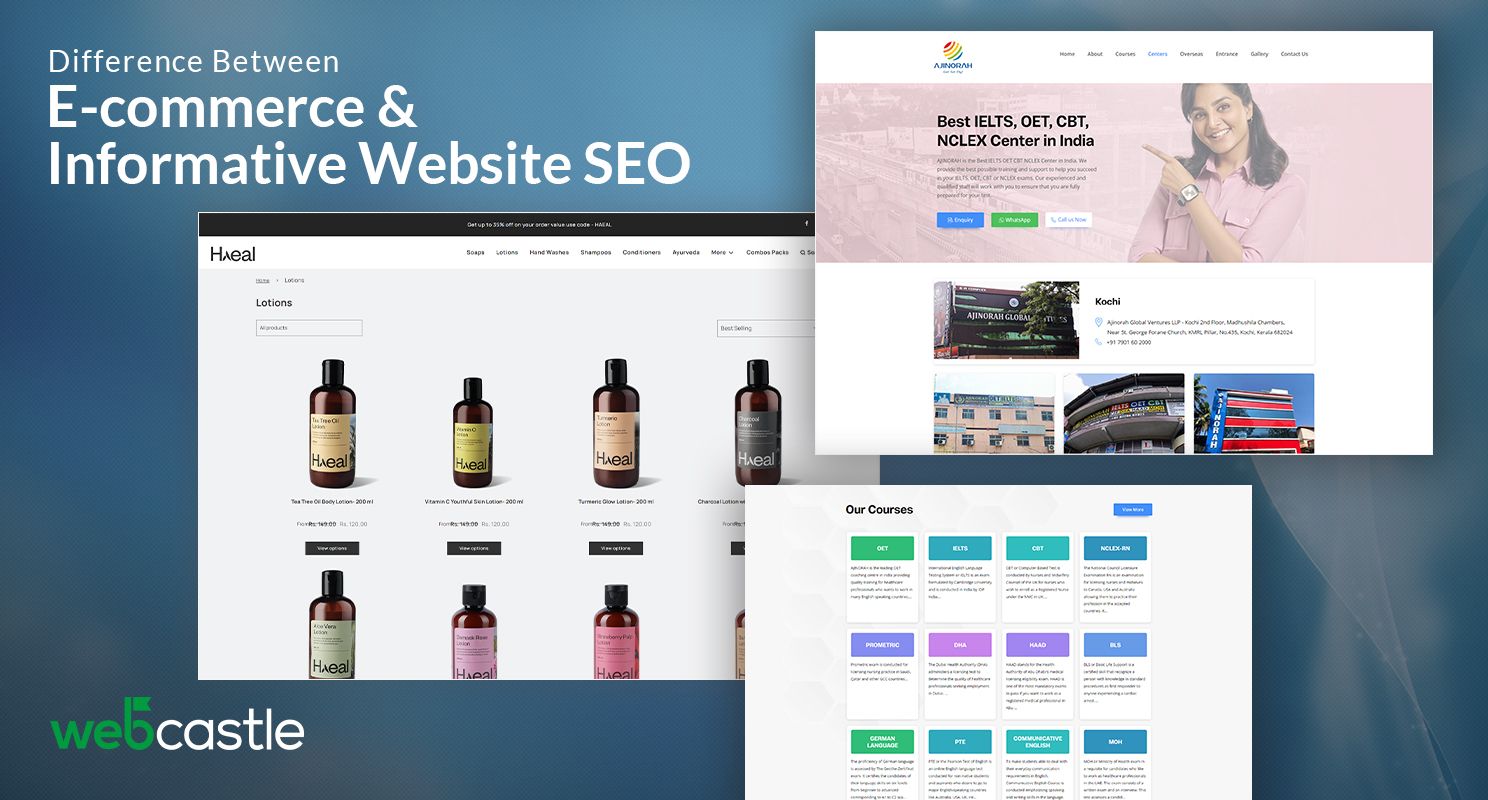
In the vast landscape of digital marketing, understanding the nuances of SEO is paramount. One critical distinction lies between E-commerce SEO and Informative Website SEO. At its core, E-commerce SEO focuses on optimizing online stores to boost sales. This involves tailoring product descriptions, enhancing user experience for seamless shopping, and deploying strategies to increase conversion rates. Keyword research here is product-centric, aiming to capture potential buyers' queries.
Conversely, Informative Website SEO centers around content dissemination. Websites like blogs, news portals, and educational platforms prioritize delivering valuable content to readers. The aim is not immediate sales but building authority, fostering engagement, and ensuring the content reaches the intended audience. Keyword research in this realm is more topic-driven, addressing the audience's informational needs.
While both SEO types share common elements like the need for mobile optimization and fast loading speeds, their objectives diverge. E-commerce sites drive sales, whereas informative sites build credibility and engagement. Recognizing these distinctions is pivotal for businesses and content creators alike, ensuring they tailor their SEO strategies effectively to their website's primary purpose.
In today's digital age, search engine optimization (SEO) stands as a cornerstone of online success. It's the force that propels websites to the top of search results, ensuring they get seen by their target audience. However, not all SEO is created equal. Specifically, the strategies and objectives for E-commerce SEO and Informative Website SEO can vary considerably, and grasping this distinction is paramount.
Why is this differentiation so crucial? E-commerce SEO is geared towards driving sales. Every optimization, from product descriptions to page load times, aims to enhance the buyer's journey, culminating in a purchase. Keywords here often revolve around products and buying intent. On the other hand, Informative Website SEO prioritizes knowledge dissemination. The goal is to provide value, build authority, and foster audience engagement. Keywords are typically broader, answering questions or exploring topics in-depth.
Without a clear understanding of these differences, businesses might misdirect their efforts, wasting time and resources. An e-commerce site focusing solely on informative content might miss out on sales, while an informative site pushing hard sales might alienate its audience. Thus, discerning between the two SEO types is integral to online strategy and success.
The Role of SEO:
- SEO is vital for enhancing a website's visibility on search engine results pages (SERPs), leading to increased organic traffic and potential customers.
- The strategies for SEO can differ significantly depending on the type of website.
The Purpose of Your Website:
- E-commerce SEO: E-commerce sites aim to sell products or services online.
- The goal is to drive sales.
- SEO strategies for e-commerce focus on optimizing product listings, improving the shopping experience, and boosting conversion rates.
- Informative Website SEO:
- These websites prioritize providing content and distributing information.
- They can be blogs, news portals, educational platforms, or corporate websites.
- The primary objective is to offer valuable content and establish authority within a niche, focusing more on traffic and engagement than sales.
Keyword Research:
- E-commerce: Keyword research centers on product-related terms.
- It's essential to identify keywords that potential customers might use when searching for products.
Informative Websites:
- The focus is more on topics and queries that the target audience might search for.
- It's vital to identify high-volume keywords and long-tail keywords that align with the site's content.
On-Page Optimization:
- E-commerce: On-page SEO for e-commerce sites revolves around optimizing product pages, improving site speed, and ensuring mobile-friendliness.
Informative Websites:
- The focus is on content quality, structure, and user experience.
- Internal linking, meta descriptions, and image optimization play crucial roles.
Link Building:
- E-commerce: The goal is to enhance the authority and trustworthiness of the online store.
- Building relationships with influencers and guest posting are valuable strategies.
Informative Websites:
- The emphasis is on establishing authority within the niche.
- Acquiring backlinks from content-related sites is essential.
Content Strategy:
- E-commerce: Content revolves around product descriptions, reviews, and category pages.
Informative Websites:
- The strategy involves a variety of content types, including blog posts, videos, infographics, etc., aiming to engage and inform the audience.
Conclusion:
- There's a clear distinction between E-commerce SEO and Informative Website SEO.
- Understanding these differences is essential for achieving online success.
- The blog concludes by promoting webcastle's services and expertise in the realm of website development and digital marketing.